SCAN in Action
First
Founding Meeting of Somaliland CSOs Accountability Network (SCAN)
On December 31, 2023, representatives from civil society organizations across Somaliland gathered in Hargeisa to formally establish the Somaliland CSOs Accountability Network (SCAN). The meeting marked a milestone in strengthening the role of CSOs in promoting accountability, citizen participation, and good governance.
Participants unanimously adopted SCAN’s constitution, mandate, and structure, emphasizing its role as a unifying platform for advocacy rather than an implementing agency. A Transitional Steering Committee was formed to oversee policy drafting and finalize governance procedures. With strong representation from all regions, women, and minority groups, the founding assembly set the foundation for SCAN to amplify CSOs’ collective voice in holding authorities accountable and empowering citizens in governance.
Second
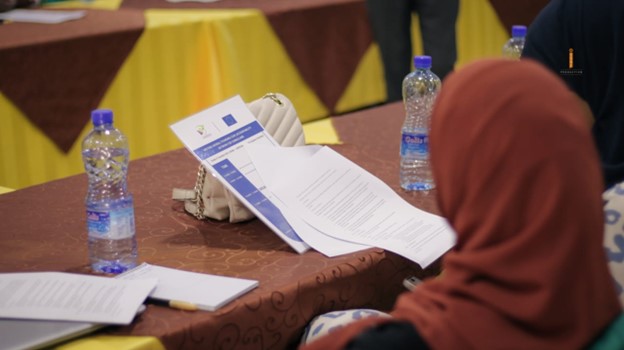
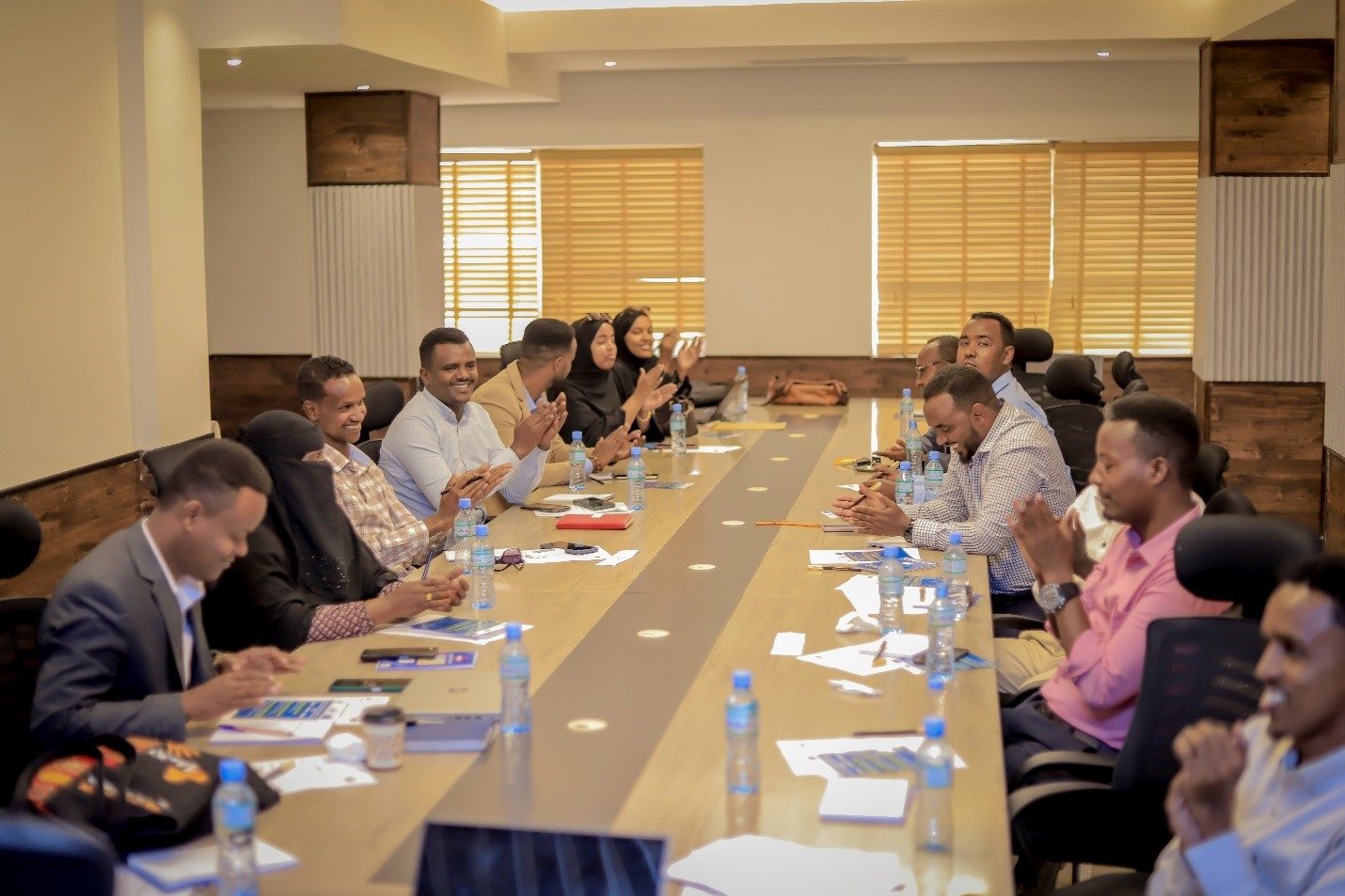
SCAN General Assembly Interactive Meeting
The second SCAN General Assembly brought together 19 member organizations to strengthen the network’s governance and finalize its operational policies. Hosted by YOVENCO with EU support, the meeting replaced the interim steering committee with a democratically elected leadership drawn from across Somaliland’s regions and minority groups.
Key policies—including SCAN’s Constitution, Code of Conduct, Membership Policy, and Conflict of Interest Policy—were approved through a consensus-based process. Members also formed three specialized working groups on Good Governance, Community Empowerment, and Water, Health & Safety, ensuring decentralized and effective action. The assembly reinforced SCAN’s commitment to collective advocacy, especially around accountability during Somaliland’s electoral process.
Third
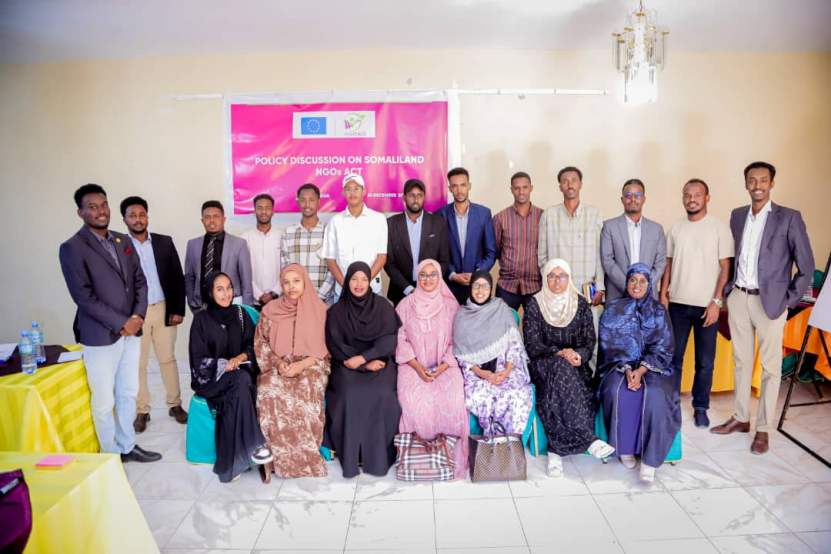
Policy Discussion on Somaliland NGO Act (Law No. 43/2010)
On December 24, 2024, SCAN and YOVENCO, with support from the European Union, convened a policy dialogue on Somaliland’s NGO Act (Law No. 43/2010), a law that has long drawn attention from civil society stakeholders. The session brought together legal experts, civil society leaders, and members of the Somaliland Lawyers Association.
The discussion critically assessed the Act’s effectiveness, highlighted challenges faced by NGOs under its current provisions, and explored reform options to strengthen the legal framework governing civil society in Somaliland. Participants proposed actionable recommendations aimed at improving transparency, accountability, and enabling conditions for NGOs to contribute meaningfully to governance and development.
Fourth
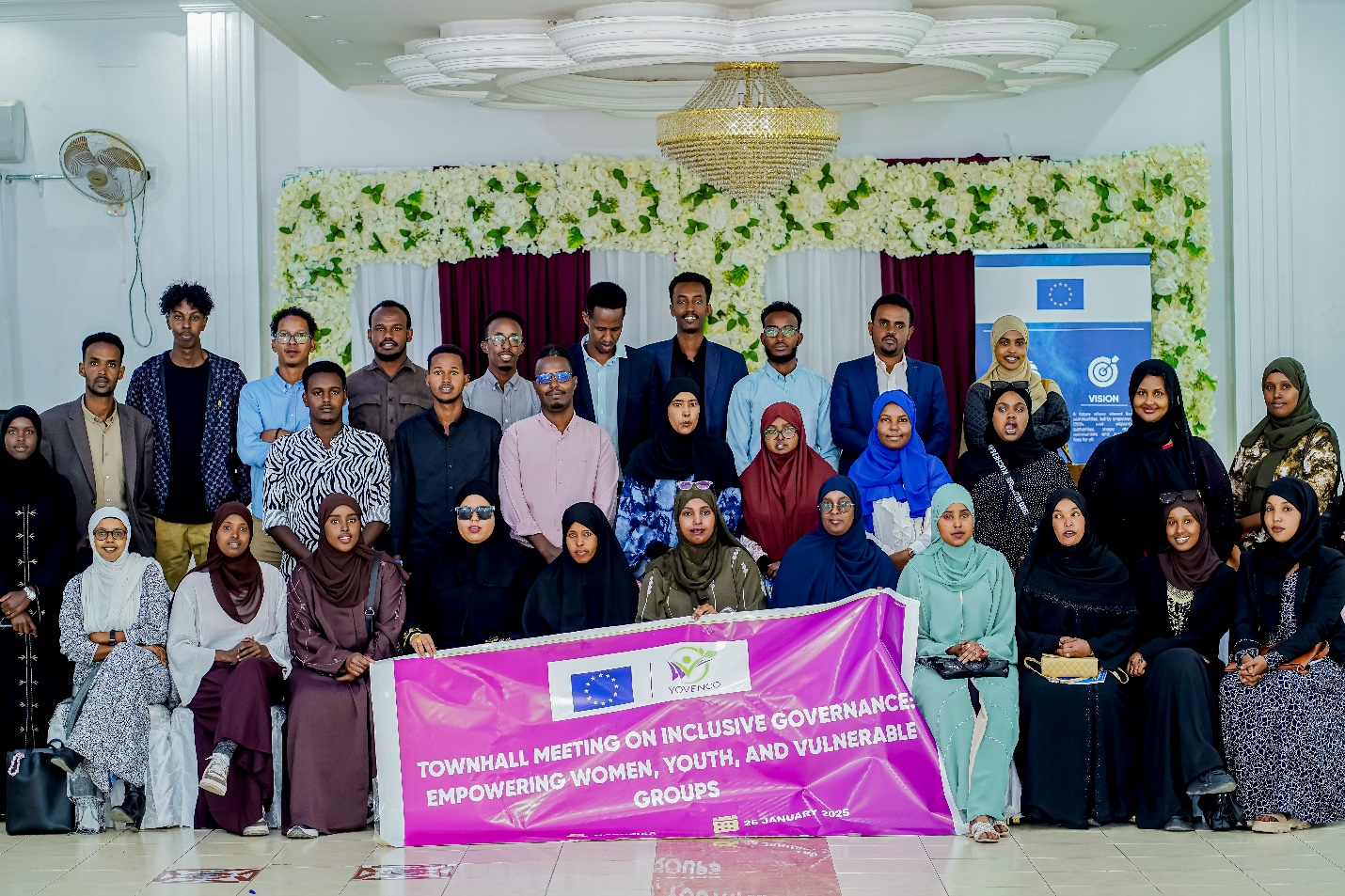
Townhall Meeting: Inclusive Governance – Empowering Women, Youth, and Marginalized Groups
Held in Hargeisa on January 26, 2025, this townhall brought together 57 participants from youth groups, women’s organizations, disability advocates, and minority representatives to address barriers to inclusive governance.
Through presentations, panel discussions, and roundtables, participants highlighted challenges facing women, youth, and persons with disabilities, while also sharing success stories of grassroots leadership. Key action points included policy reforms for disability inclusion, stronger women and youth networks, continuous CSO-government dialogue, and targeted capacity-building programs. The event underscored that inclusive governance is not just a fairness issue but a necessity for effective and sustainable development.
Fifth
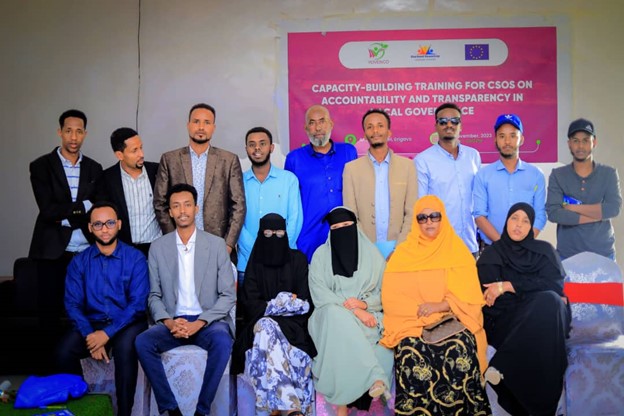
Capacity-Building Training on Accountability & Transparency in Local Government (Borama & Ainabo)
In response to the reconstruction of public buildings in Hargeisa, SCAN and YOVENCO launched a public campaign advocating for disability-inclusive infrastructure and services. The campaign engaged disability-led organizations and leveraged social media influencers and city-wide posters to spread messages of accessibility.
Core advocacy messages emphasized the right of persons with disabilities to access public spaces, information, and services on equal terms. The campaign strengthened collaboration with the Somaliland National Disability Forum and raised public awareness of exclusionary practices. It also pushed local authorities to consider accessibility in urban development, laying the groundwork for more inclusive service delivery across Somaliland.
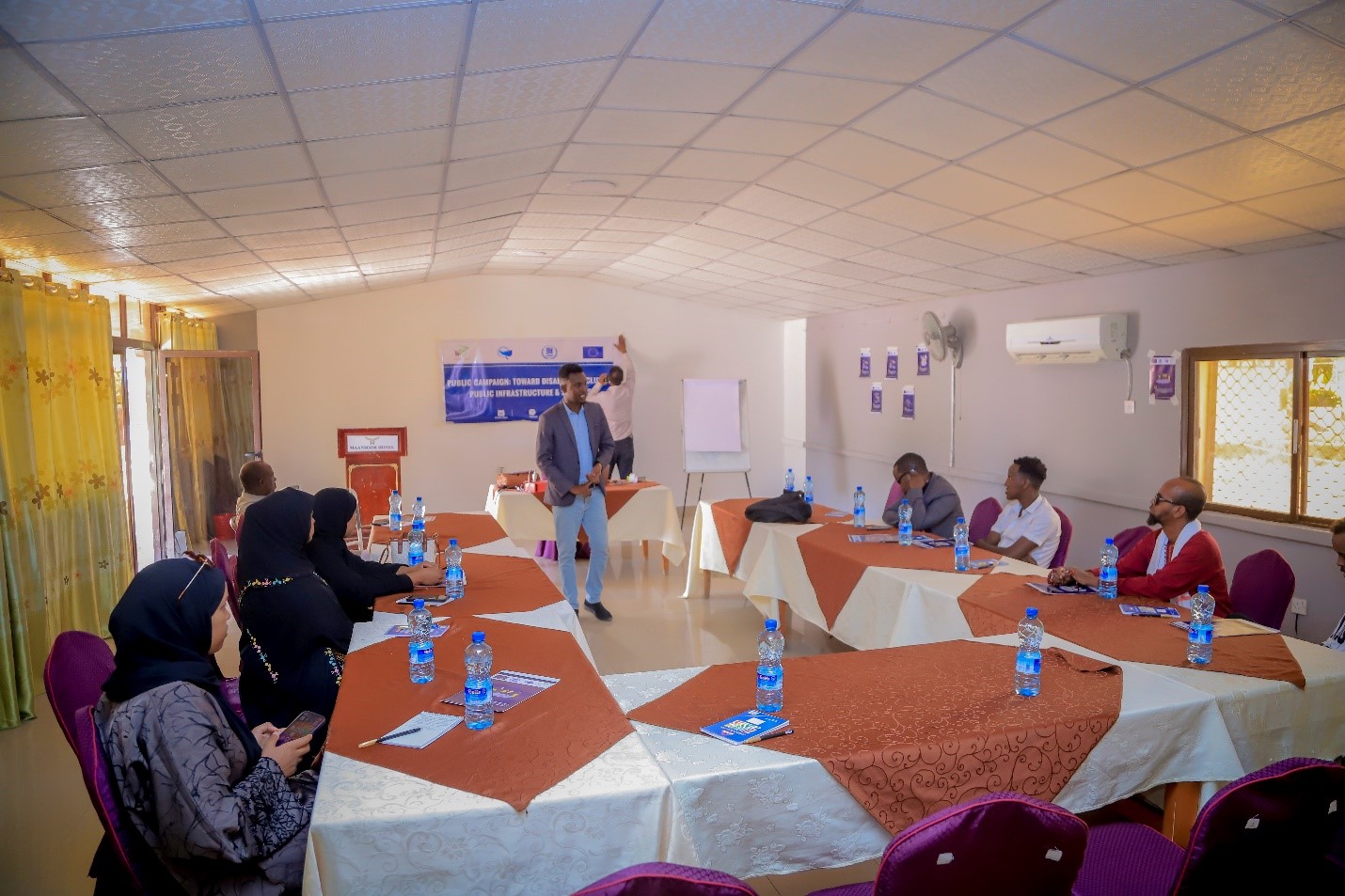
Sixth
Public Campaign: Toward Disability-Inclusive Public Infrastructure and Services
In response to the reconstruction of public buildings in Hargeisa, SCAN and YOVENCO launched a public campaign advocating for disability-inclusive infrastructure and services. The campaign engaged disability-led organizations and leveraged social media influencers and city-wide posters to spread messages of accessibility.
Core advocacy messages emphasized the right of persons with disabilities to access public spaces, information, and services on equal terms. The campaign strengthened collaboration with the Somaliland National Disability Forum and raised public awareness of exclusionary practices. It also pushed local authorities to consider accessibility in urban development, laying the groundwork for more inclusive service delivery across Somaliland.
Seventh
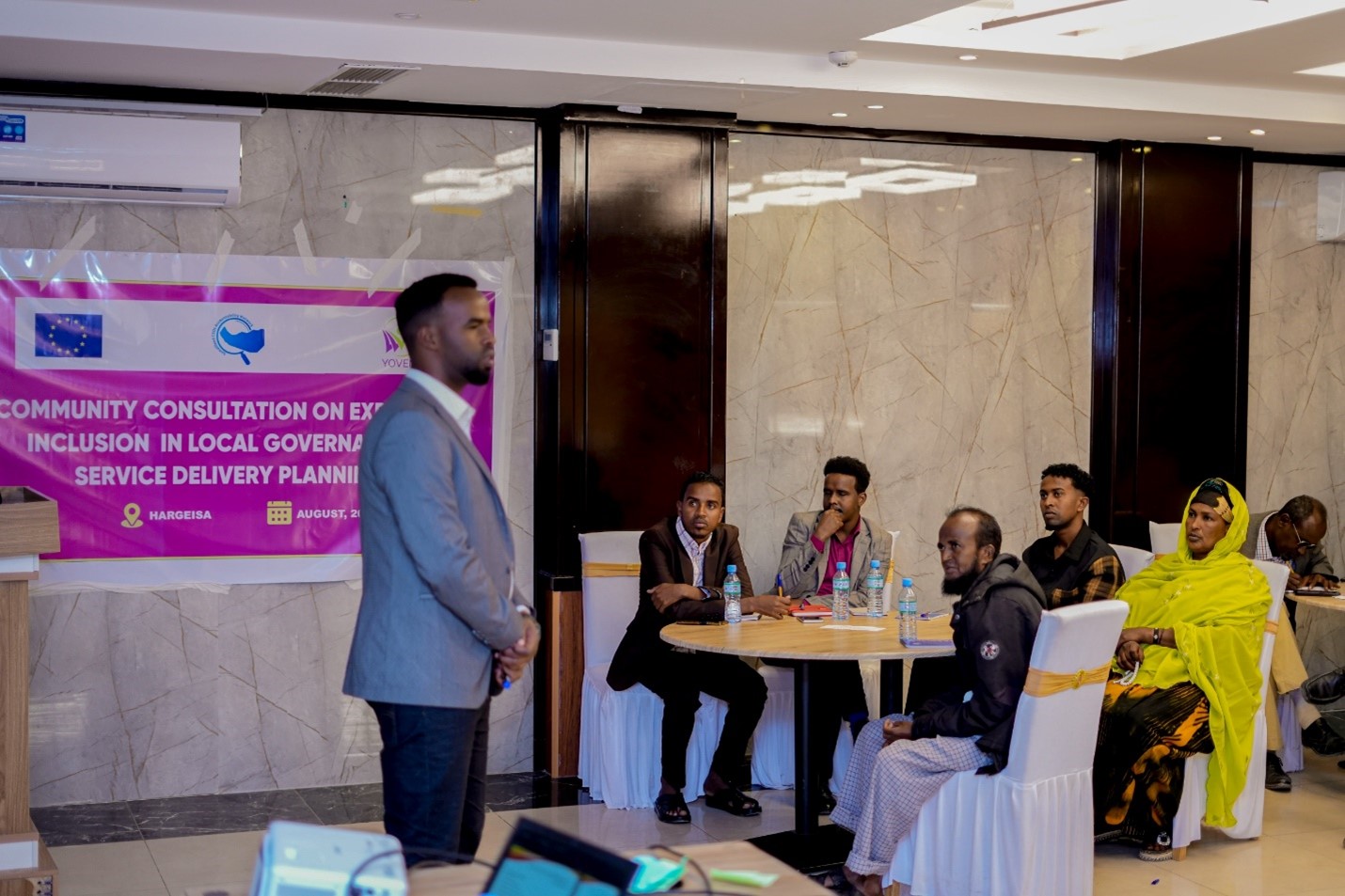
Community Consultation on Expanded Inclusion in Local Governance & Service Delivery Planning
On August 19, 2025, SCAN convened a community consultation in Hargeisa to elevate the voices of marginalized and minority groups in local governance and service delivery. The event brought together 25 participants, including CSOs, youth and women-led groups, traditional elders, religious leaders, and representatives of climate-vulnerable communities.
The consultation provided space for participants to share lived experiences, identify barriers to equitable participation, and propose solutions for more inclusive governance. Key outcomes included a documented record of community testimonies, a consensus-driven list of barriers and opportunities, and a set of bottom-up recommendations to feed directly into upcoming policy dialogues.
By connecting community perspectives with civil society and local authorities, the consultation reinforced the value of participatory planning as a tool for accountability and better service delivery. It underscored that sustainable governance must be inclusive, with policies informed by the realities of those most affected. This process sets the stage for stronger collaboration between citizens, CSOs, and government in shaping responsive local governance in Somaliland.